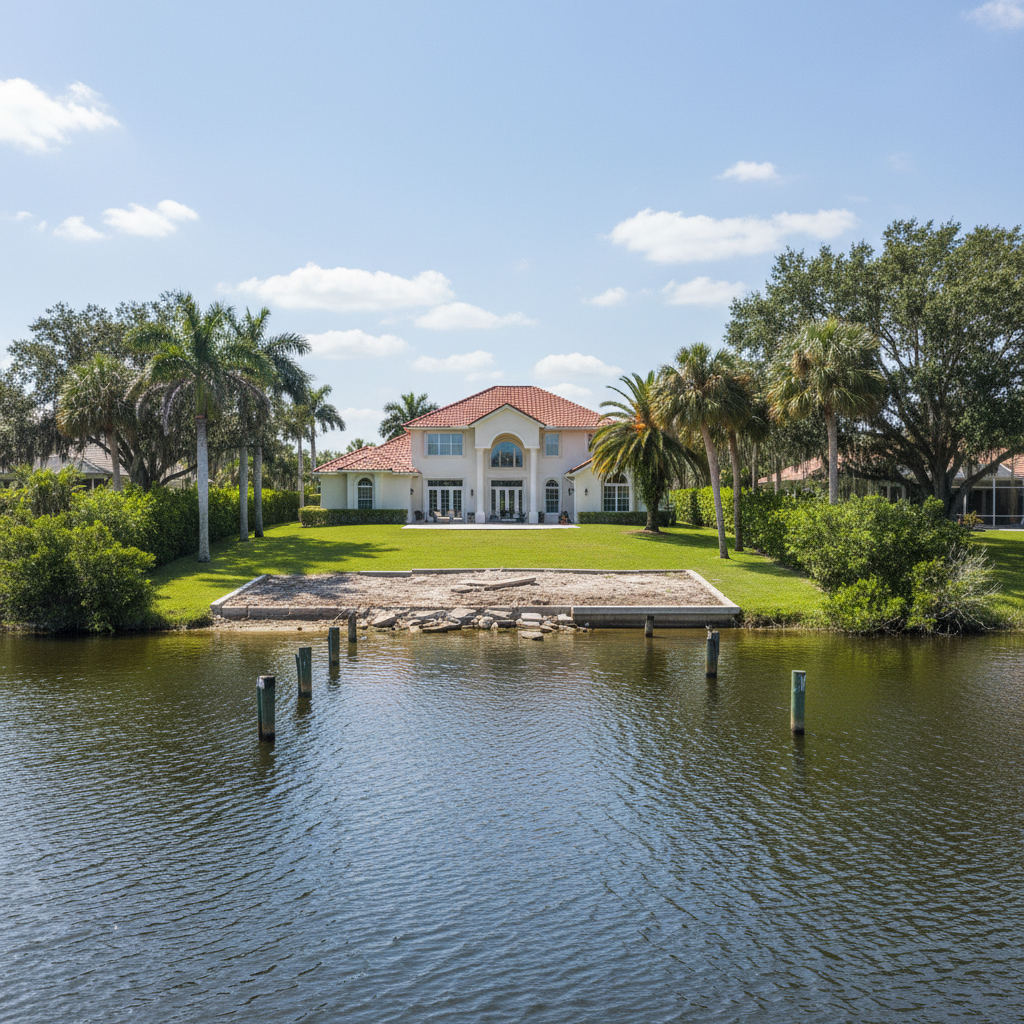
Got an old dock on your property that's seen better days? Maybe it's rotting, unstable, or just doesn't fit your plans for your waterfront anymore. Taking it down might seem straightforward, but here in Temple Terrace, you really need to consider a few things before grabbing a sledgehammer.
It's More Than Just Wood and Water
When I talk to folks about dock demolition, they often think it's just about pulling out some planks and posts. But it's rarely that simple, especially around here. You've got to think about what's underneath, how it was built, and what's around it. We've got plenty of older homes along the Hillsborough River or on the smaller canals that feed into it, and those docks can be decades old. They might be built with materials now considered hazardous, or they could be anchored in ways that need specialized equipment for safe removal.
Then there's the environmental side. We're in Florida, right? That means water. Lots of it. And that water is often connected to sensitive ecosystems. You can't just let debris float away or stir up sediment without consequences. I've seen projects where people tried to do it themselves, and they ended up with a mess way more expensive to clean up than if they'd just hired a pro from the start.
Permits, Regulations, and Our Unique Environment
This is where local expertise really shines. You can't just decide to demo a dock one morning, oh no. There are permits involved, usually from the city, the county, and sometimes even the state — especially if you're on a navigable waterway or near protected areas. The Florida Department of Environmental Protection (FDEP) has rules, and so does the Army Corps of Engineers for certain bodies of water. Trying to get through all that paperwork yourself can be a nightmare. A good local contractor, like us at Allied Demolition Company, knows these agencies and their requirements inside and out. We've done these projects countless times.
Think about our local soil conditions too. Around the riverbanks in Temple Terrace, you're often dealing with sandy, silty soil that can be unstable when disturbed. You don't want heavy equipment sinking or causing erosion that could undermine your property or your neighbor's. We've got specialized techniques and lighter equipment for those tricky spots, making sure we get the job done without creating new problems.
What Kind of Docks Do We See Here?
In Temple Terrace, I've worked on all sorts of docks. You've got your standard wooden docks, often found behind the mid-century homes in the older parts of town. Then there are the more modern composite docks, sometimes with boat lifts attached. We also see a fair number of older concrete or even steel-reinforced structures that were built to last but are now crumbling or just not needed anymore. Each type needs a different approach to demolition.
- Wooden Docks: These are common. The challenge is often the wood's condition – is it rotten, full of nails, or treated with old chemicals? We need to contain all that material.
- Concrete Docks: These are tough. They need heavy-duty breakers and careful planning to prevent large chunks from falling into the water.
- Docks with Lifts: The boat lift itself needs careful removal, often salvaged if it's in good condition, or dismantled if not.
- Pilings: Whether they're wood, concrete, or even steel, getting pilings out of the ground or riverbed without leaving a trace is a specialized skill. You can't just cut them off at the waterline; they need to be pulled or drilled out to prevent future hazards.
Why Choose a Local Pro?
It boils down to efficiency, safety, and compliance. A local company understands the specific challenges of our area. We know the weather patterns – those afternoon thunderstorms can pop up fast and make a job site dangerous. We know the permitting offices and who to talk to. We know the best ways to dispose of materials responsibly, keeping our beautiful Temple Terrace clean.
When you hire someone from out of town, they're learning on your dime. They might not know about the specific manatee protection zones, or the best local disposal sites for treated lumber. They might not understand how the tide or river currents affect the work. We do.
Don't risk fines, environmental damage, or a half-finished job. If you're looking to get rid of an old dock, give a local expert a call. It'll save you a lot of headaches in the long run.