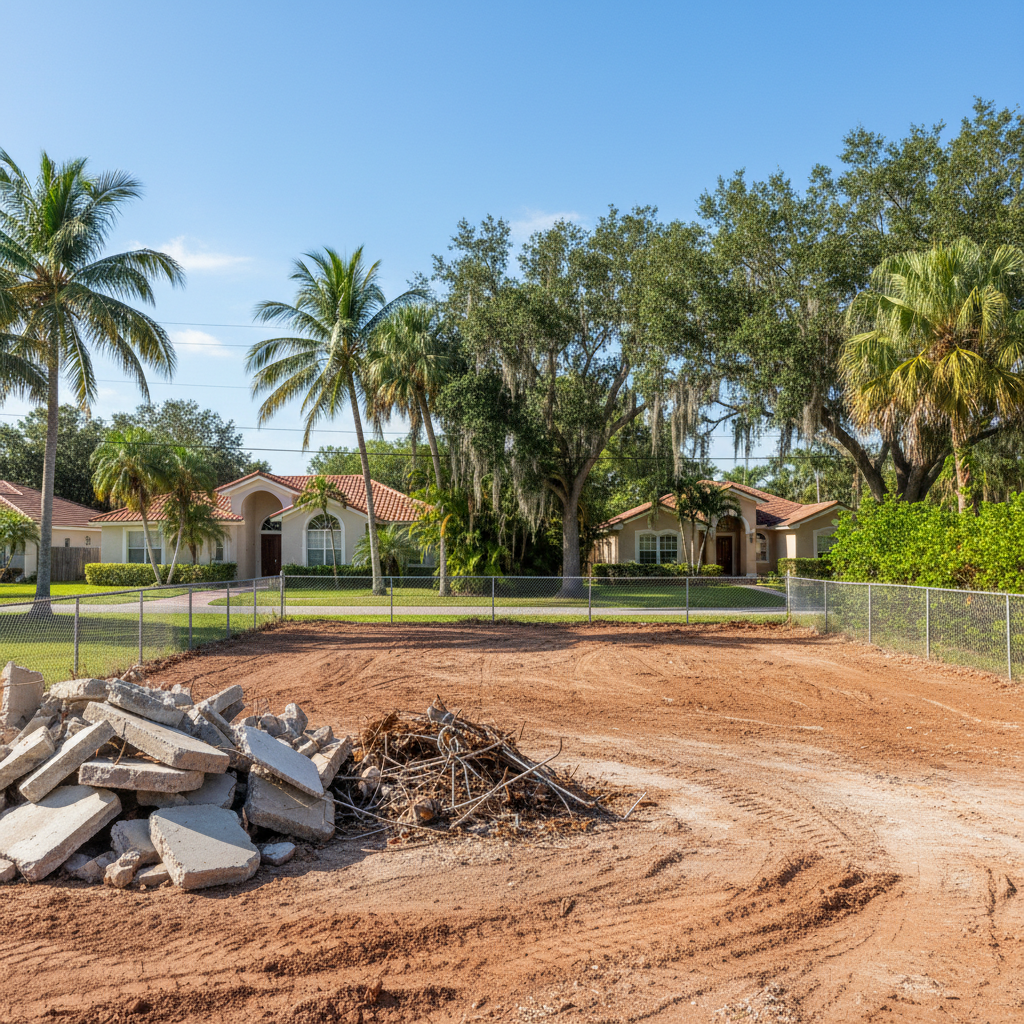
So, you're thinking about a demolition project, right? Maybe you're clearing a lot for a brand-new build, or perhaps you're knocking down an old structure to make room for an addition. That's a big deal, and one of the first things people ask me is, "When's the best time to actually do it?" Here in Temple Terrace, the answer isn't always super simple, mostly because our weather just does its own thing. When it comes to residential demolition, timing really, really matters.
When Should You Schedule Your Demolition in Temple Terrace?
Look, if you've lived around here for any length of time, you already know we basically have two seasons: blazing hot and wet, or slightly less hot and dry. This pretty much dictates when we can work efficiently and, more importantly, safely.
The Dry Season (Late Fall to Early Spring): This is your sweet spot. We're talking roughly November through April. The ground usually stays firmer then, which is a huge bonus when you're moving heavy machinery around. We don't have to constantly worry about daily downpours turning your property into a mud pit, which, trust me, makes access tough and slows everything down. Less mud means less mess tracked everywhere, and it's generally safer for the crew. Plus, if you're planning to start construction right after demolition, you'll be glad you're not dealing with constant rain delays.
The Rainy Season (Late Spring to Early Fall): This runs from May through October. We can still get the job done, sure, but you absolutely need to be ready for possible delays. Afternoon thunderstorms are practically a daily occurrence, and hurricanes are always a risk, aren't they? Wet soil can make a site incredibly challenging. Equipment can get stuck, erosion increases, and it can even mess with the stability of remaining structures if we're only doing a partial demo. If you absolutely have to schedule during these months, we'll build in more contingency plans, but just know that Mother Nature might throw us a curveball or two.
Weather Conditions That Really Affect Demolition Work
It's not just about the rain, either. A few other things can seriously impact a demolition job here.
Heavy Rain and Flooding: This is the big one, no doubt. Our soil here in Temple Terrace, especially in some of those older neighborhoods closer to the river, can get soaked really fast. Heavy rain means we might just have to pause work. It's not just about comfort for the crew; it's about safety and protecting your property and the surrounding area. We definitely don't want to carve massive ruts in your yard or risk equipment sinking.
High Winds: While not as common as rain, strong winds, especially during hurricane season, can be a real hazard. When you're tearing down a structure, you're creating debris. High winds can turn that debris into projectiles — not good. We'll always secure the site as best we can, but if the winds get too high, we simply can't work safely.
Extreme Heat: Our summers are brutal, plain and simple. While it doesn't stop us completely, it does mean we need to take more frequent breaks to keep the crew hydrated and prevent heat exhaustion. This can sometimes stretch out the project timeline a bit, but safety always comes first.
Protecting Your Investment All Year Round
Even after the demolition wraps up, the work isn't quite finished. You've cleared the way; now you need to protect that newly open space.
Erosion Control: This is super important, especially once a structure is gone and the ground has been disturbed. During our rainy season, a freshly cleared lot can quickly turn into a muddy mess, leading to erosion. We'll talk about options like silt fences or temporary grading to manage stormwater runoff and protect your property — and your neighbors'. It's a small step that prevents much bigger headaches later on.
Site Security: An empty lot can sometimes attract unwanted attention. Make sure the site is properly fenced off and secured, especially if there's any gap before new construction begins. This helps prevent trespassing and illegal dumping, which is a real pain.
Debris Removal: Allied Demolition Company always makes sure we remove all the debris, but sometimes unexpected things pop up. Just make sure your contractor has a clear plan for hauling away all materials, leaving you with a perfectly clean slate.
Honestly, planning your demolition project with our local climate in mind will save you time, money, and a whole lot of stress. Give us a call when you're ready to chat about your specific project, and we can help you figure out the best approach for Temple Terrace.