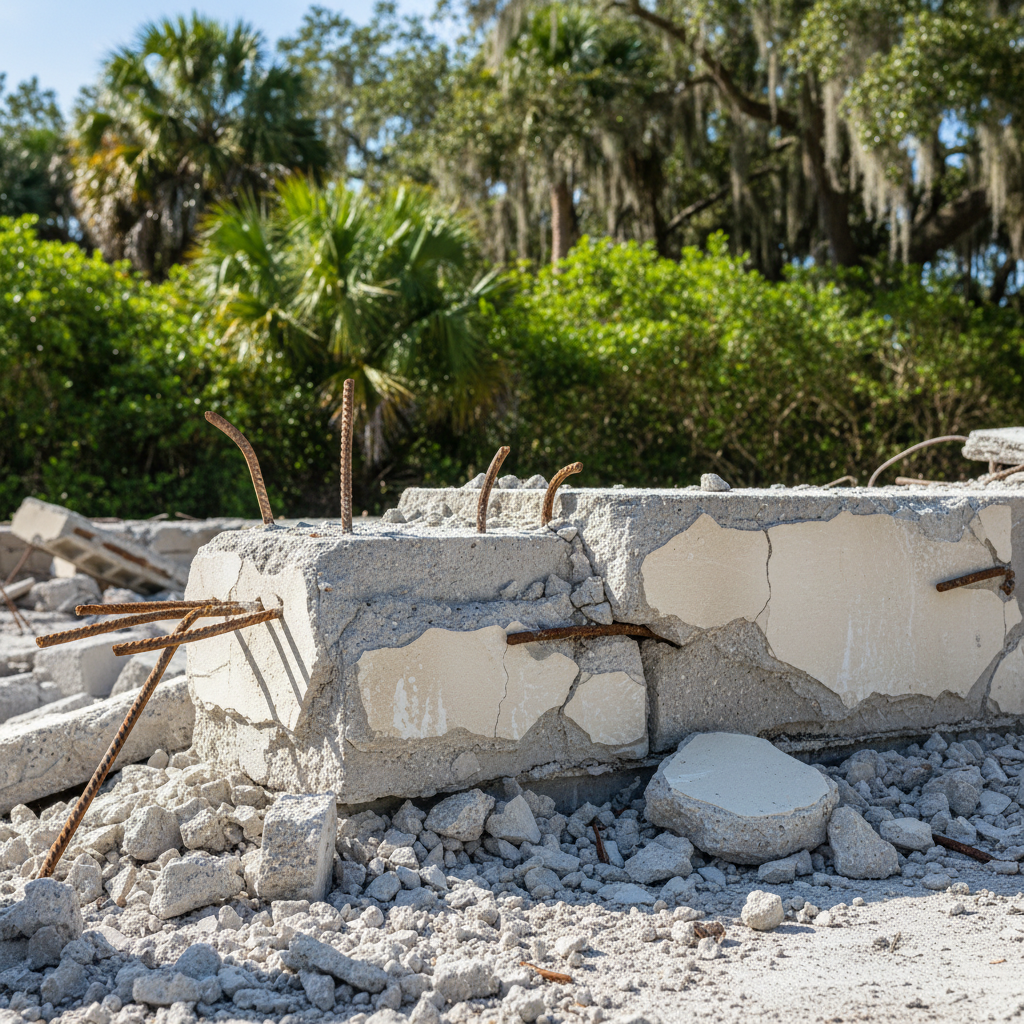
So, you're looking at a part of your house and thinking, "That's gotta go." Maybe it's an old sunroom, a crumbling garage, or just a wall that's in the way of your dream kitchen. Partial demolition isn't as straightforward as just knocking things down. There are always questions, and I get a lot of 'em. Let's tackle some of the most common ones I hear from folks right here in Temple Terrace.
What's the difference between partial and full demolition, really?
It sounds obvious, right? One's part, one's all. But the difference in practice is huge. Full demolition means tearing down the entire structure, foundation and all, leaving a clear lot. Partial demolition, on the other hand, is surgical. We're removing specific sections, rooms, or additions while keeping the rest of the structure intact and stable. This is way more complex. You're not just wrecking; you're preserving, supporting, and often tying into existing systems.
Think of it like this: full demo is taking a sledgehammer to a whole cake. Partial demo is carefully cutting out a slice without messing up the rest of the frosting. It requires a lot more planning, precision, and often, more specialized techniques to ensure the remaining structure isn't compromised.
Do I need a permit for partial demolition in Temple Terrace?
Absolutely, 99% of the time, yes, you'll need a permit. Don't even think about skipping this step. The City of Temple Terrace Building Department is pretty clear on this. Any structural alteration, removal of walls (even non-load-bearing ones sometimes, depending on the scope), or significant changes to the building envelope will require a permit. This isn't just red tape; it's about safety. They want to make sure what's left is safe and that any new construction meets code.
We handle the permit process for our clients at Allied Demolition Company. It involves submitting plans, sometimes engineering reports, and getting inspections. Trying to do it yourself can be a headache, and doing it without one can lead to fines, stop-work orders, and even having to rebuild what you tore down. Not worth the risk.
How long does a typical partial demolition project take?
This is like asking "how long is a piece of string?" It really depends on the scope. A small interior wall removal might take a day or two. Tearing down an old attached garage or a significant addition could be a week or more, especially when you factor in utility disconnections, debris removal, and making the remaining structure weather-tight.
Factors that slow things down include: hazardous materials (asbestos, lead paint), complex structural elements, difficult access, and, of course, the weather. We get some serious rain here in Florida, and that can definitely put a damper on things, especially if we're opening up the exterior of your home.
What about utilities? Do I need to disconnect them?
Oh yeah, this is critical. Before any demolition starts, all utilities connected to the section being removed need to be safely disconnected. We're talking electricity, water, gas, sewer, and sometimes even communications lines. This isn't something you want to DIY unless you're a licensed pro in that specific field.
For example, if we're taking down an old laundry room, the water lines, drain, and electrical for the washer and dryer need to be capped off safely. If it's a kitchen, gas lines for the stove or water lines for the sink are a big deal. We coordinate with you to get the appropriate utility companies or licensed plumbers/electricians out to handle these disconnections properly and safely before our crew even touches a hammer.
Will partial demolition affect the rest of my house?
It can, yes, if not done correctly. That's why precision and planning are so important. Our biggest concern is always structural integrity. We need to make sure that when we remove a section, the remaining parts of your home are still sound and supported. This often involves temporary shoring, careful cuts, and sometimes installing new headers or supports.
Dust and debris are also a huge factor. Even with dust barriers and negative air pressure machines, some dust will inevitably get into other parts of your home. We do everything we can to minimize it – sealing off areas, using air scrubbers, and protecting surfaces. But if you're sensitive to dust, you might want to consider staying elsewhere for a few days, especially if it's an interior demo.
What happens to all the debris?
We haul it away. That's part of the service. We're not leaving a mountain of rubble in your backyard. We separate materials where possible for recycling – things like concrete, metal, and sometimes wood. It's not just about being green; it can also sometimes reduce disposal costs. All the rest goes to an approved landfill.
You'll often see our roll-off dumpsters on site. We load 'em up, and then they're gone. We make sure the site is clean and safe when we're finished, ready for whatever comes next, whether that's new construction or just a clean, clear space. We've worked on enough properties around the Riverhills neighborhood to know how important it is to keep things tidy, especially in established residential areas.
How much does partial demolition cost?
This is the million-dollar question, and there's no flat rate. It depends entirely on the scope of work. Factors include:
- Size and complexity: A small non-load-bearing wall is cheap. An entire attached garage with a concrete slab is not.
- Materials: Concrete, brick, and stucco are harder and more time-consuming to remove than drywall and wood framing.
- Hazardous materials: If we find asbestos or lead paint, that's a specialized abatement process that adds significant cost and time.
- Access: Can we get equipment in easily, or is it a tight squeeze requiring more manual labor?
- Utility disconnections: The cost of plumbers, electricians, etc., to safely cap lines.
- Permit fees: These vary by project and are paid to the city.
The best way to get an accurate cost is to have us come out and give you a free, no-obligation estimate. We'll look at what you want gone, assess the situation, and give you a clear breakdown.
Partial demolition is a big job, even if it's just a 'part' of your home. You want it done right, safely, and efficiently. Don't hesitate to reach out if you've got more questions or want to talk about your specific project. We're here to help Temple Terrace homeowners navigate this stuff.