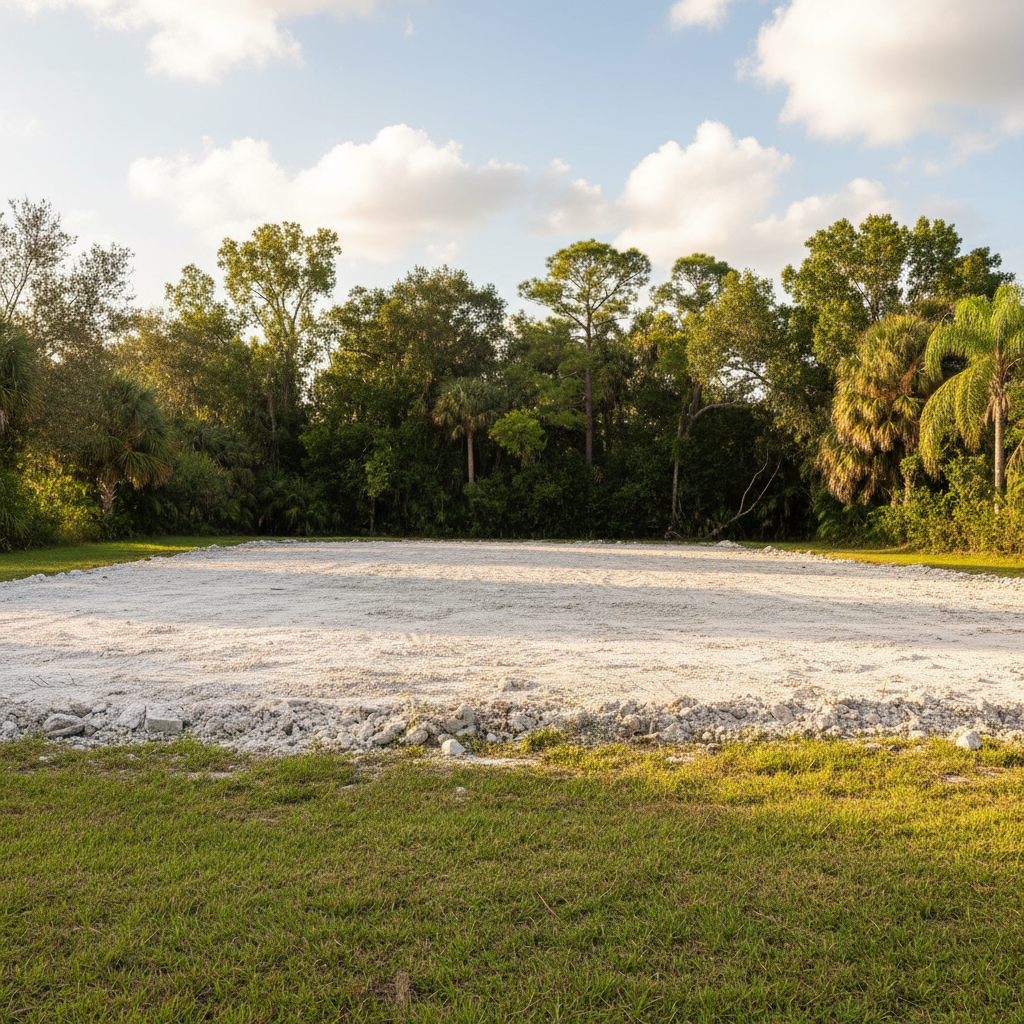
So, you've finally gotten that old structure taken down, right? Maybe it was just a shed, an old porch, or even a whole house that wasn't worth fixing up. The big, noisy part is over, and now you've got a clear space. But here's the thing: you can't just forget about it. Especially here in Temple Terrace, with our heavy rains and sandy soil, a demolition site needs a little ongoing attention to stay safe and stable long-term.
Making Your Demolition Work Last
When we talk about "making demolition work last," we're really talking about keeping the site itself in good shape. What usually gets left behind? A cleared area, maybe some bits of the old foundation, and a whole lot of disturbed dirt. The main goal is to stop erosion, let the ground settle properly, and make sure no new hazards pop up.
First off, good backfilling and compaction are super important. If the crew didn't do a thorough job of filling in any holes or trenches left by the demolition and compacting that soil, you're going to have settling problems. And I'm not talking about a little dip; I mean sinkholes or uneven ground that can be a real headache later on. We always make sure to use good, clean fill dirt and compact it in layers. If you're wondering about the compaction, you might notice areas that are clearly lower than the surrounding ground after a few good downpours.
Drainage is another huge factor. Florida gets a ton of rain, especially during hurricane season. You absolutely need to make sure water isn't just sitting on your newly cleared site. Standing water can lead to more settling, erosion, and, let's be honest, it's a mosquito magnet. Take a moment to think about how water moves across the area and if it's being directed away from any remaining buildings or property lines.
Keeping Demolished Sites in Shape
Regular maintenance for a cleared site isn't quite like keeping up a house, but it still matters. Here's what I usually tell people:
- Keep it clear: Don't let junk pile up. Even small pieces of concrete or wood can become tripping hazards or get washed into storm drains when it rains hard.
- Watch for erosion: After a good soaking, take a walk around. Look for ruts, little gullies, or spots where the soil has obviously washed away. This is extra important if your property has any kind of slope.
- Check for settling: Walk across the site. Do you feel any soft spots? Are there any new dips in the ground? If you had a foundation removed, that area should feel firm and level.
- Control the plants: If you're not planning to build right away, think about planting some grass or ground cover. This really helps stabilize the soil and stops erosion. Just be careful not to pick invasive plants that'll cause other issues, okay?
These checks don't need to happen every day, but a quick look after a heavy rain or once a month can save you a lot of trouble down the road.
Warning Signs of Trouble
You don't have to be an expert to spot a problem. Here are some red flags:
- Big depressions or sinkholes: This is a major one. If you see a hole forming, especially after it rains, that's a serious sign of bad backfilling or a drainage problem.
- Exposed utilities: Sometimes, old utility lines (water, sewer, electric) that were supposed to be capped or taken out can pop up because of erosion. This is dangerous and needs immediate attention.
- Water that just won't drain: If water sits for days after a rain, your drainage isn't doing its job. This can make the soil unstable and, yes, breed more mosquitoes.
- Strange smells: If the demolition involved an older building, sometimes old pipes or septic systems get disturbed. Foul odors could mean a broken sewer line or some other kind of contamination.
- Loose debris keeps showing up: If you keep finding pieces of the old structure coming to the surface, it means the site wasn't properly cleared or buried deep enough.
Our Temple Terrace soil, often a mix of sand and clay, can be particularly prone to erosion and settling if it's not handled correctly. I've personally seen areas near the Hillsborough River where poor site prep led to real ground stability problems after just a few wet seasons.
When to Bring in a Professional
Look, you don't need to call us every time you see a puddle. But some things are definitely not DIY projects. You should call a professional like Allied Demolition Company if you notice:
- Any signs of a sinkhole or major ground instability. This isn't just about looks; it's a safety hazard.
- Exposed or damaged utility lines. Don't touch them! Call the utility company first, then a contractor.
- Ongoing drainage issues that you can't fix with just a little grading. You might need proper French drains or a complete regrading.
- If you're planning to build on the site soon and you're worried about how ready the ground is. A professional can do soil testing and make sure it's structurally sound for new construction.
- If you're just not sure about any of these warning signs. It's always better to be safe than sorry. A quick inspection can really put your mind at ease.
Taking down a structure is a big undertaking, but making sure the site is safe and ready for whatever comes next is just as important. A little bit of vigilance goes a long way in protecting your property and, frankly, your wallet.