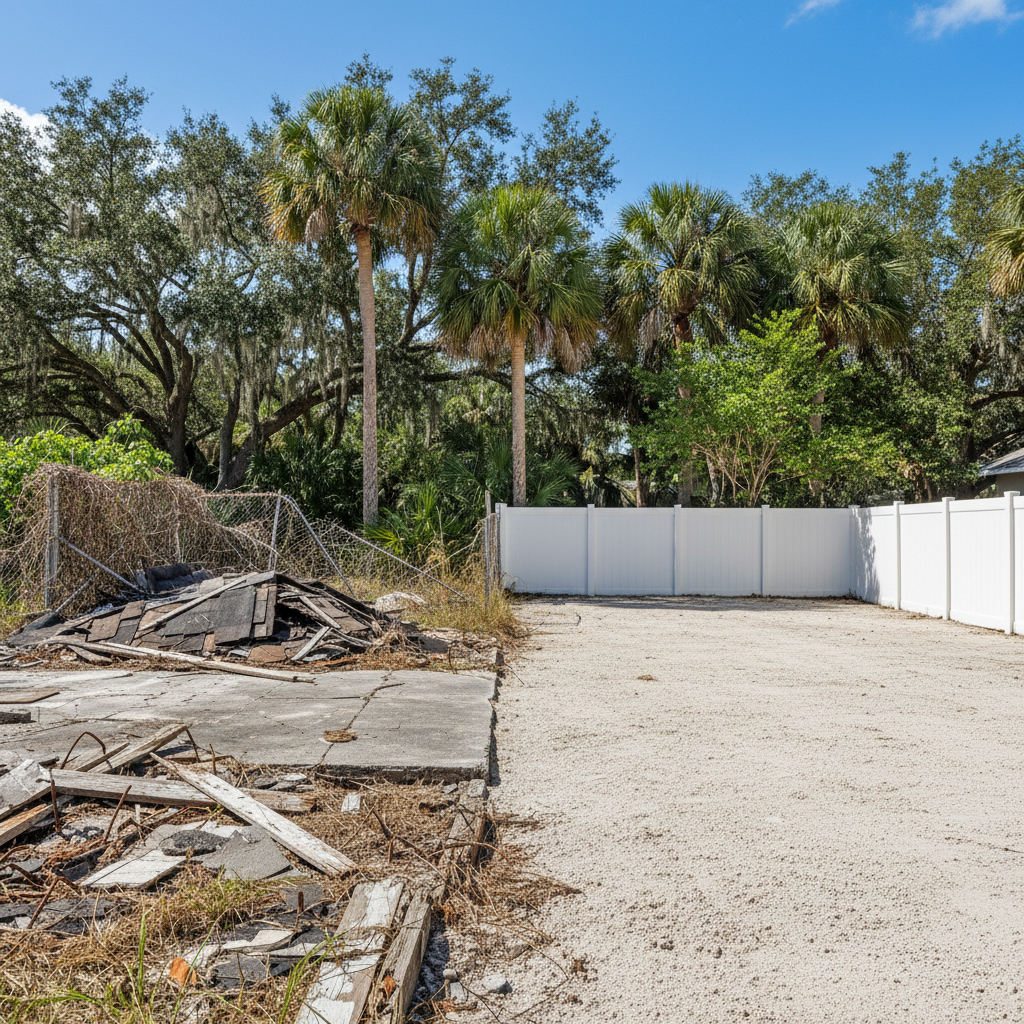
Alright, so you've decided it's time for a full building demolition. Maybe you're clearing space for a new dream home, or perhaps you've got a property that's just beyond repair. Whatever the reason, you're looking at tearing down an entire structure, and you've got a couple of main routes you can take. I'm talking about the difference between a controlled, methodical teardown and the more traditional, heavy-equipment approach.
You see, not all demolitions are created equal, especially when you factor in what you want to do with the site afterward, or even what kind of structure you're starting with. Let's dig into the pros and cons of what I call 'Surgical Demolition' versus 'Rapid Mechanical Demolition.'
Surgical Demolition: The Careful Approach
This is what you might think of as a more deliberate, almost deconstruction-like process, though here we're focused purely on removal, not necessarily salvage. With surgical demolition, we take the building apart in a very specific order. Often, we'll use hand tools or smaller, more precise equipment. Think of it like a surgeon removing an organ – careful, calculated, and with minimal impact on surrounding areas.
- Cost: Generally, this method can be a bit pricier upfront. It's more labor-intensive, takes longer, and requires skilled crews to work methodically. You're paying for precision and control, after all.
- Durability/Site Impact: This is where surgical demolition really shines. If you have other structures nearby you want to protect, or if you're worried about vibrations affecting neighboring foundations (especially common in older areas of Temple Terrace with some of those original block homes), this is your best bet. It keeps dust, noise, and the risk of collateral damage to a minimum. The site is usually left much cleaner and more level, ready for new construction with minimal additional grading.
- Maintenance (of the site): Post-demolition, the site typically needs less cleanup and preparation. You won't be dealing with a huge pile of rubble that needs extensive sorting.
- Appearance: During the process, it might look a bit more organized, less like a war zone. The final cleared lot is often pristine.
I usually recommend surgical demolition when you've got tight property lines, sensitive neighbors, or if you're trying to preserve a specific part of the landscape or an adjacent structure. It's also great if you're planning to reuse the slab or foundation, as it allows for careful separation.
Rapid Mechanical Demolition: The Powerhouse Method
This is probably what most people picture when they think about demolition: big excavators, grapple attachments, and a structure coming down fast. It's efficient, powerful, and gets the job done quickly.
- Cost: Typically, this is the more cost-effective option. Less labor, quicker turnaround times, and heavy machinery makes short work of most structures.
- Durability/Site Impact: This method is, well, robust. It's designed to break things down. However, it can generate more dust, noise, and vibration. If you're on a large, isolated lot, that's usually not an issue. But if you're in a dense residential neighborhood, like some of the newer developments near the Hillsborough River, you'll need to consider the impact on your neighbors. The site might also need more extensive cleanup and grading afterward, as it tends to leave a more uneven surface with mixed debris.
- Maintenance (of the site): Expect more debris to sort and haul away. The ground might be more disturbed, potentially requiring more earthwork before you can build again.
- Appearance: It's a faster, more aggressive process, so the site can look a bit messier during the demolition itself.
Rapid mechanical demolition is fantastic for standalone structures on spacious lots where speed and cost efficiency are top priorities. If you're completely clearing a lot and starting fresh with a new foundation, this often makes the most sense.
My Recommendation for Temple Terrace Homeowners
Given our local conditions here in Temple Terrace – often smaller lots, mature landscaping, and a mix of older and newer homes – I find myself recommending Surgical Demolition more often than not for residential projects. Why? The precision. We've got plenty of older homes with established trees right up against property lines, or houses built close together. The last thing you want is a big excavator accidentally taking out your neighbor's prized oak or cracking their foundation.
The slightly higher upfront cost for surgical demolition often pays for itself in reduced potential for damage claims and a cleaner, more build-ready site. Plus, with Florida's sandy soil, minimizing heavy equipment traffic and vibrations can help prevent unnecessary soil compaction or shifting, which is always a good thing when you're planning new construction.
Ultimately, the best approach depends on your specific property and goals. That's why we at Allied Demolition Company always do a thorough site assessment. We'll walk you through both options, discuss the pros and cons for your unique situation, and help you make an informed decision. Don't just pick the cheapest option without understanding the full picture.