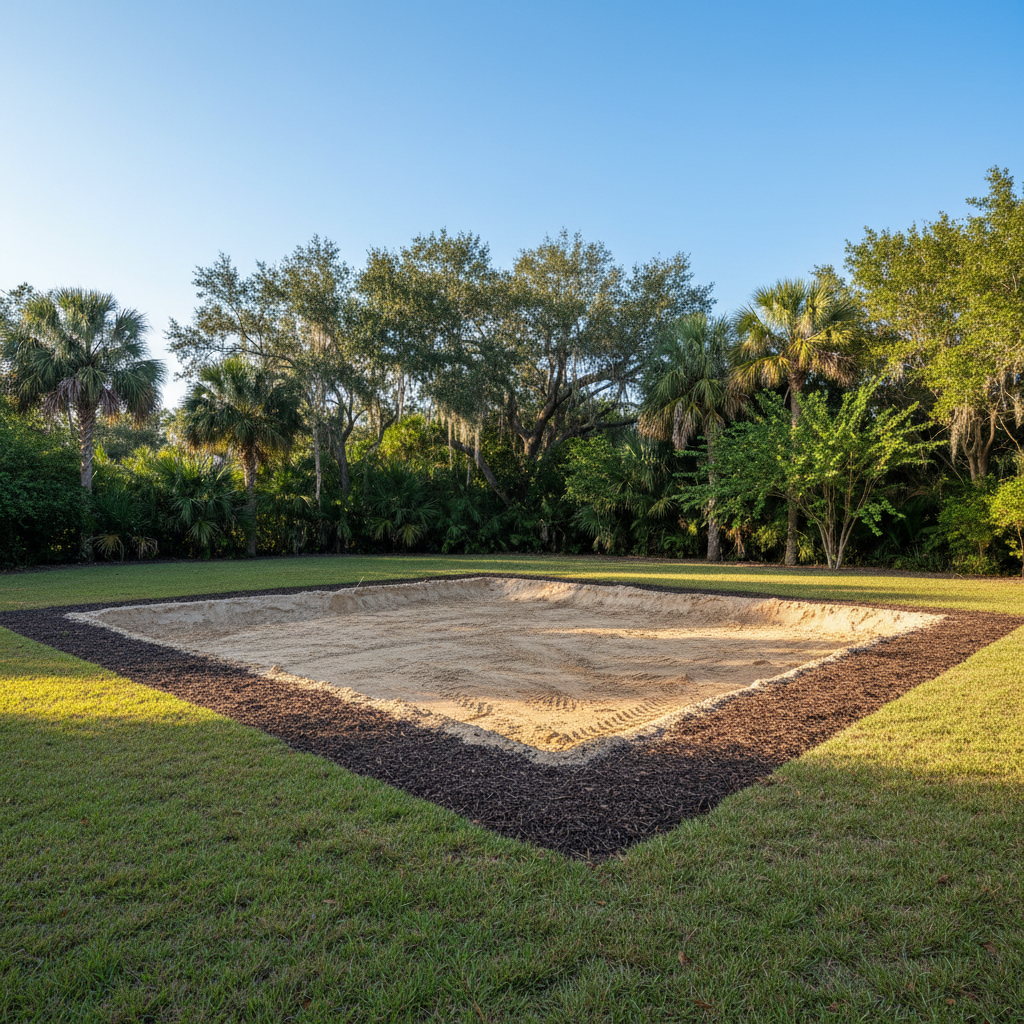
Thinking about adding a pool, putting in a new foundation, or maybe rerouting some serious drainage around your Temple Terrace home? That means you're looking at an excavation project. And let me tell you, it's more than just digging a hole. As someone who's been moving dirt around this area for years, I've seen it all, good and bad. Here's what you need to understand before you even think about breaking ground.
Your Excavation Project Timeline: What to Expect
People always want to know, "How long will this take?" The honest answer is, "It depends." But I can give you a general roadmap.
- Initial Consultation & Site Visit (1-2 weeks): A good contractor comes out during this phase. They look at your property, talk about what you want to do, and identify potential issues. We're looking for things like utility lines, septic systems, or even those old, forgotten concrete slabs from previous structures.
- Permitting (2-6 weeks, or more): This is often the longest part of the whole process. Temple Terrace, like any city, has its rules. You'll need permits for most significant excavation work. If you're near the Hillsborough River or in a flood zone, there might be extra hoops to jump through. A good contractor will help you with this, but be prepared for some waiting.
- Utility Locates (1 week before digging): Before any dirt moves, you absolutely, positively have to call 811. It's the law, plain and simple. They'll mark underground utility lines – gas, water, power, communications. Don't skip this, ever.
- Actual Excavation (Days to Weeks): This is the fun part, the actual digging. How long it takes depends entirely on the scope. A small trench for a new water line? A day or two. Digging out a full basement or a large pool? That could easily be a couple of weeks, especially if we hit unexpected rock or high water tables, which isn't uncommon in some of our low-lying areas.
- Backfilling & Grading (Days to a Week): Once the primary work is done (foundation poured, pipes laid, etc.), we'll backfill the area. Then we grade it properly for drainage. This step is crucial to prevent future water problems around your home.
Preparing Your Property for the Big Dig
You can do a lot to make the process smoother and keep costs down. Trust me on this one.
- Clear the Area: Move anything you don't want damaged or in the way. That means patio furniture, potted plants, garden ornaments, even vehicles. The more clear the site, the faster and safer we can work.
- Protect Landscaping: If you have trees or shrubs you want to keep, talk to your contractor about how to protect them. We can often put up barriers or work carefully around critical root zones.
- Access: Think about how equipment will get in and out. Is there a clear path? Will fences need to be temporarily removed? Make sure there's enough room for trucks and excavators.
- Talk to Your Neighbors: Excavation can be noisy and dusty. Give your neighbors a heads-up about the project timeline and what to expect. A little courtesy goes a long way.
- Secure Pets & Kids: This is a construction zone, period. Keep pets indoors or secured, and ensure children know to stay far away from the work area and equipment. Safety is non-negotiable.
Questions to Ask Before You Sign That Contract
Don't just go with the first quote. Ask these questions to any contractor you're considering.
- Are you licensed and insured for excavation work in Florida? This isn't optional. Ask for proof.
- How do you handle utility locates and permits? Is that included in the quote? A reputable company like Allied Demolition Company will manage this for you, but make sure it's clear.
- What's your plan for managing excess dirt? Will it be hauled away? Or used for backfill elsewhere on your property? This can be a significant cost, so clarify it upfront.
- What measures do you take to protect my existing property (driveways, landscaping, adjacent structures)? You want to know they're thinking about minimizing impact.
- What's your communication plan? Who is my main point of contact, and how often will I get updates? Good communication prevents headaches.
- What's your policy on unexpected issues, like hitting rock, old foundations, or underground water? How will that affect the timeline and cost? This is where experience really counts. You need to know how they'll handle surprises and how they'll communicate any changes to you.
- Can you provide references from previous excavation projects, ideally in Temple Terrace? Hearing from other local homeowners is invaluable.
- What's the payment schedule? Understand when deposits are due, progress payments, and the final payment.
Excavation is a big step for many home projects. Doing your homework and asking the right questions upfront will save you a lot of stress, time, and money down the road. Be prepared, be informed, and you'll be well on your way to a successful project.