Do I really need a permit for commercial demolition in Temple Terrace?
Absolutely, you do. This isn't like tearing down a shed in your backyard; commercial projects have a whole different set of rules. The City of Temple Terrace, just like any other city, wants to make sure everything's done safely and to code. You'll need to apply for a demolition permit through their permitting department. This usually means submitting plans, showing proof of asbestos inspection (we'll get to that in a minute), and explaining how you'll handle things like utility disconnections and debris removal. Skipping the permit is a huge risk – you could face hefty fines, stop-work orders, and even legal trouble. Trust me, it's not worth the headache. Always get the permit.
What's the deal with asbestos in commercial buildings?
This is a big one, and it's non-negotiable. Before any commercial demolition can even begin, you're legally required to have an asbestos inspection. Commercial buildings, especially older ones built before the 1980s, often contain asbestos in materials like floor tiles, roofing, insulation, and pipe wrap. It's a serious health hazard when disturbed, and both the EPA and OSHA have strict rules about how it's handled. An accredited asbestos inspector will take samples. If asbestos is found, a licensed professional has to remove it before demolition can proceed. Don't try to cut corners here; it's about worker safety, public safety, and avoiding massive legal liabilities. Allied Demolition Company always makes sure this step is handled correctly.
How long does a typical commercial demolition project take?
That's like asking how long a piece of string is, but I get why you'd ask. The timeline really depends on a few key factors: the size and complexity of the structure, whether asbestos abatement is needed, site access, and the weather. A small, standalone commercial building without hazardous materials might only take a few days to a week for the actual demolition. A multi-story structure with extensive asbestos or tricky site conditions, though, could stretch into several weeks, even months, once you factor in permitting, utility disconnections, and abatement. We always give our clients a realistic timeline upfront, but remember, things like unexpected rain during our summer storm season here in Florida can always add a day or two.
What happens to all the debris? Is it just hauled to a landfill?
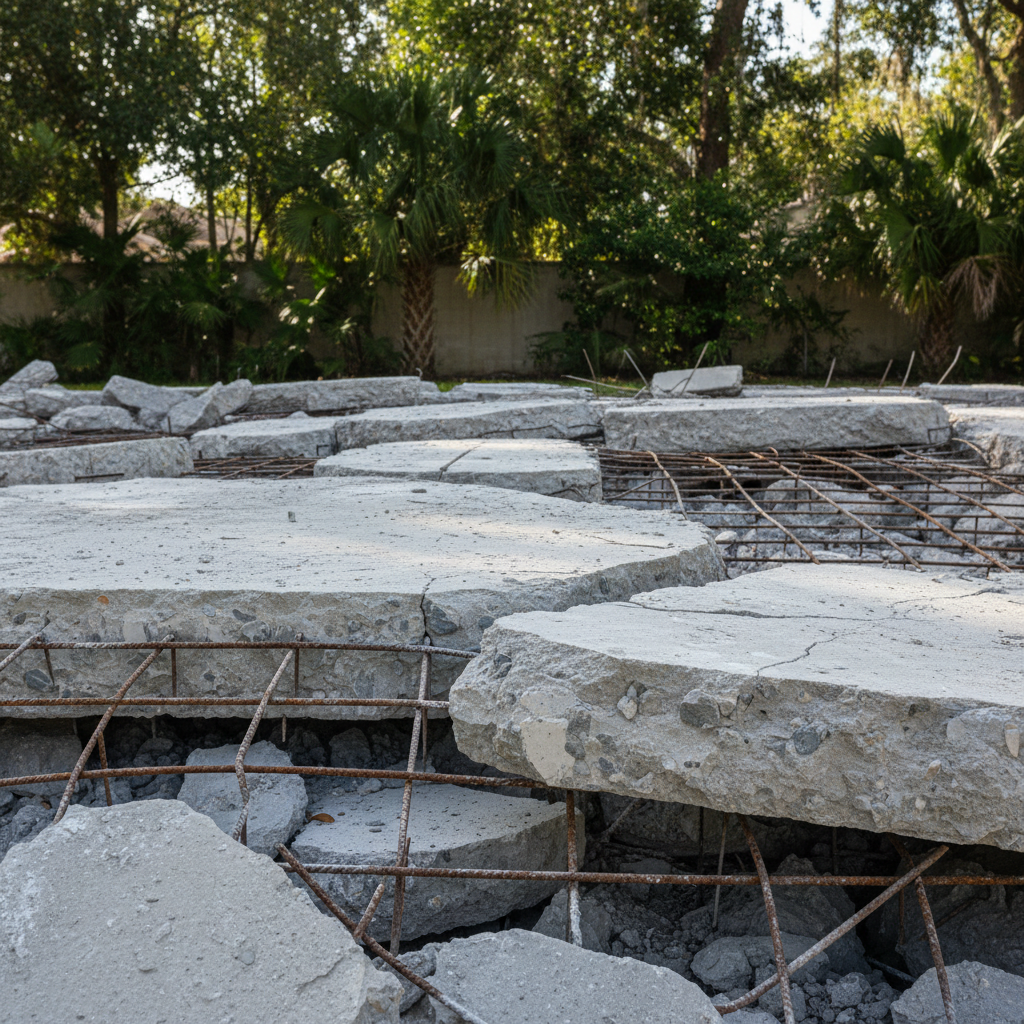
Not necessarily, and ideally, not all of it. We're always looking for ways to be more efficient and environmentally responsible, you know? A lot of commercial demolition debris can be recycled or salvaged. Concrete and asphalt can be crushed and reused as aggregate. Metals like steel, copper, and aluminum are highly recyclable. Sometimes, even wood, fixtures, and appliances can be salvaged or donated. What can't be recycled or salvaged, like contaminated materials or certain types of roofing, does end up in a certified landfill. The goal is always to minimize the amount going to waste, and we work with local recycling facilities to make that happen.
Can I stay open for business during a partial commercial demolition?
This is often a possibility, but it requires careful planning and coordination. If you're doing a partial demolition – say, removing an old wing or reconfiguring an interior space while the rest of the building is operational – we'll need to establish clear safety zones, control dust, manage noise, and ensure utility disruptions are minimal and scheduled during off-hours. We'd work closely with you to create a demolition plan that minimizes impact on your business operations, your customers, and your employees. Sometimes, temporary barriers, separate entrances, or phased work schedules are necessary. It's a balancing act, but it can definitely be done with the right approach.
What about utility disconnections? Do I handle that?
No, you generally don't handle the physical disconnections yourself, but you are responsible for getting the process started. Before any demolition begins, all utilities – electricity, gas, water, sewer, and telecommunications – must be safely disconnected and capped off. You'll need to contact TECO, Tampa Water Department, and your internet/phone providers to schedule these disconnections. They'll send out their crews to do the work and provide proof of disconnection. This is a critical safety step, and we can't touch anything until we have confirmation that all services are properly shut off and secured. It's usually one of the first things we advise clients to get moving on after permits are applied for because it can sometimes take a little time to schedule.